
One State Formed a Committee to Investigate Illegal Alien Crimes
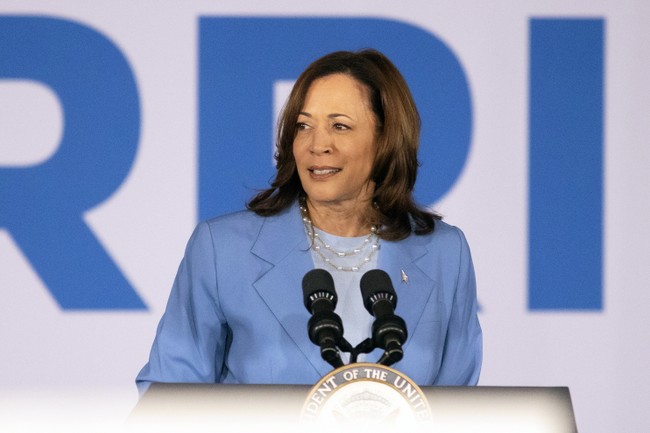
Delegates Aren’t Taking Too Kindly to Idea of Kamala Harris Being Replaced by a White Man
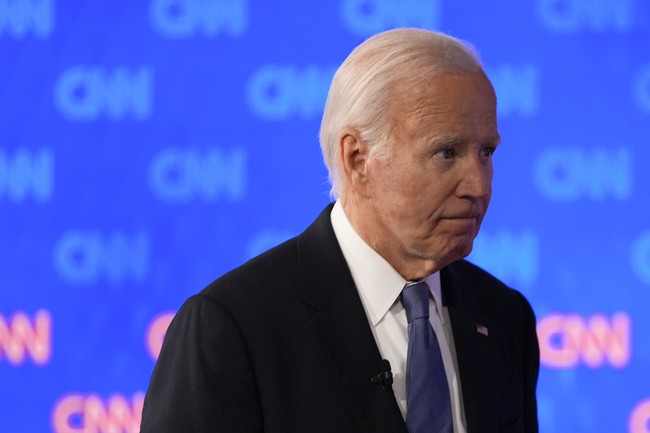
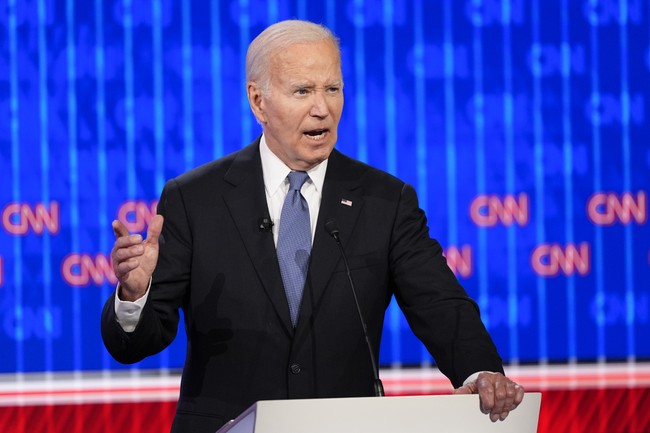
Karine Jean-Pierre Trips Over Biden’s New Excuse for Bombing at the Debate
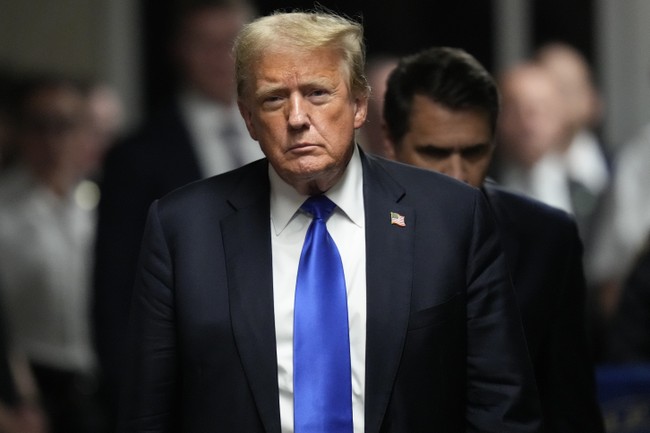
Notice Anything Different Regarding Trump Over the Past Couple of Days?
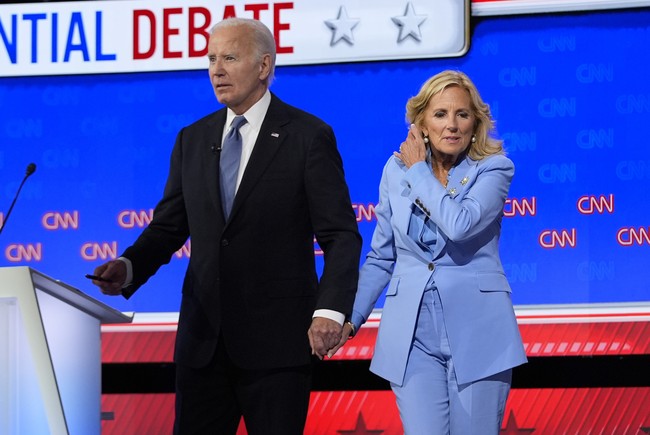
Joe Biden’s Path Is ‘Narrow to None’ If He Loses This Key State

Federal Appeals Court Lifts Injunction Placed on Biden’s SAVE Plan
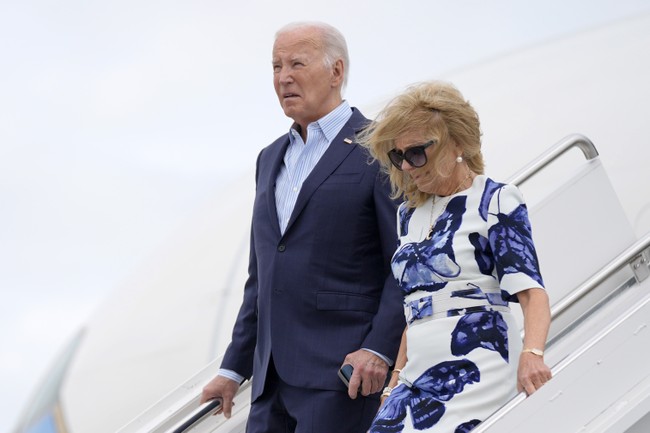
Biden Knows He’s in Trouble. What Now?

Western sanctions against Russia have failed
Russia’s economy is growing as Western sanctions fail to impede President Vladimir Putin’s war against Ukraine. On Monday, the World Bank said Russia has gone from being an upper-middle-income country to a high-income country. Military investment and major government subsidies have spurred this economic growth.
After the initial full-scale invasion of Ukraine in 2022, the Russian ruble lost 40% of its value. Western companies left the country and the international banking system, SWIFT, closed to Russian banks. Western states also banned the exporting of weapons technology to Russia, the importing of Russian gold and diamonds, and sanctioned individual oligarchs.
While these sanctions certainly hit Russia hard in 2022, the Russian economy has been recovering since then. Gross domestic product growth in 2023 was 3.6% and is on track to be 2.5% in 2024. Western sanctions have made Russia negotiate new trade partners and increase domestic industry. Most critically, Russian oil exports are continuing. Since the oil market is global, it is hard for Western countries to dramatically hurt Russian oil exports in the long term as prices and supply chains will adjust to sanctions.
This is not meant to say that the Russian economy is healthy. This wartime growth is not sustainable long-term. High amounts of government spending on military goods and housing have been driving the economy’s recovery. While consumer spending and incomes have increased, technology and production capabilities have not dramatically improved. Inflation is still high and the 2022 mobilization worsened the country’s ongoing brain drain.
However, these issues will not deter Putin from continuing to pursue his goal of dominating Ukraine. Putin is content with the current trajectory of the war in Ukraine as he thinks he can outlast Western resolve. He is fighting an attritional war that is currently to his advantage. Russian troops are continuing to slowly take ground while Ukraine has been incapable of waging a successful counteroffensive since its victories in the autumn of 2022.
The West must learn from the war in Ukraine that economic incentives are not enough to block determined foes. While they can be a nice carrot to encourage good behavior, other states must be receptive to Western goals for aid and sanctions to matter.
This means that the diagnosis of a state’s goals is all important in determining which tools to use. Western wealth is a useful tool for states that desire Western wealth more than they want to pursue anti-Western goals. But it cannot be used as a catch-all solution to negotiate with adversaries. Other states and their leaders do not have the same priorities as us.
CLICK HERE TO READ MORE FROM THE WASHINGTON EXAMINER
The failure of Western sanctions to incentivize Putin to not invade in 2022 and to actually stop his campaign shows that other tools matter more in the rough-and-tumble world of geopolitics. The backbone of international relations is still hard military power and the consistently demonstrated willingness to use it.
At the end of the day, there are things in life more important than money. Even if we don’t realize that, our foes do. The failure of Western sanctions against Russia has taught us this lesson.
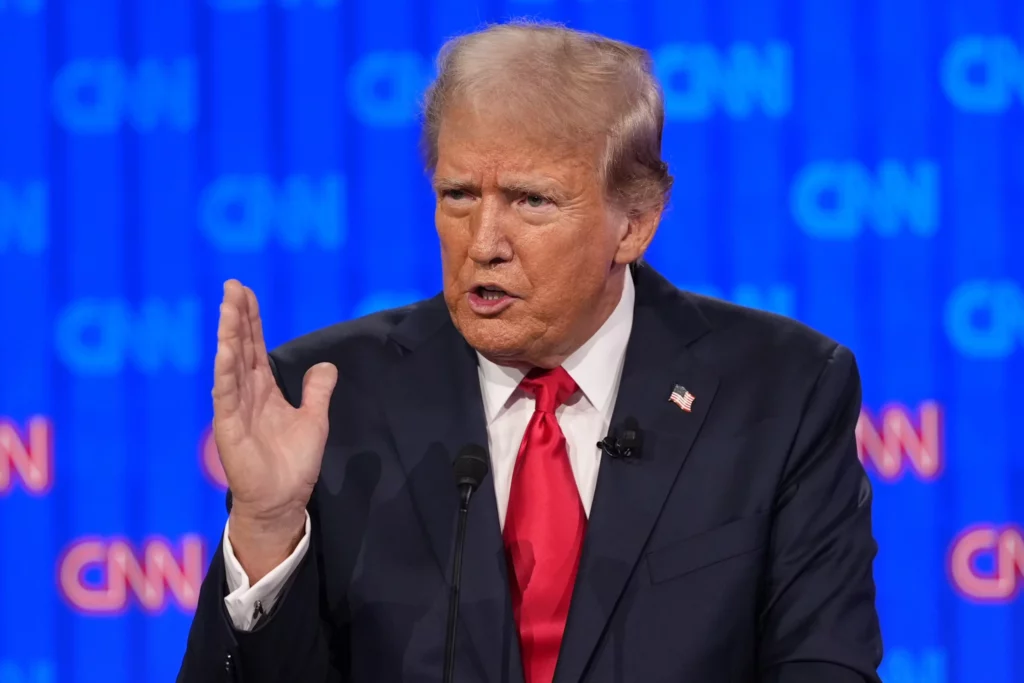
Radio silence is a double-edged sword for the Trump campaign
The reelection campaign of President Joe Biden may be spiraling into chaos since last week’s debate, but the radio silence from the campaign of former President Donald Trump could prove to be a bit of a double edged sword.
Since Biden turned in the worst debate performance of any candidate in recent memory at last week’s CNN debate, the Trump campaign and even Trump himself have proved content with watching their political rivals panic and wonder if their nominee is fit to win the presidential election.
Conventional wisdom would say you should never interrupt your enemy when he is hurting himself, and that is how the Trump campaign has operated to this point. But such a strategy could prove to be a double-edged sword if the focus on Biden becomes so intense that he withdraws from the race in favor of another candidate.
Now Trump should be considered the favorite to win the election, regardless of who the Democratic Party nominates. His polling lead over Biden is substantial at this point, and hypothetical polling against potential replacement candidates is only marginally better for Democrats.
Still, Trump and the Republican Party want to face off against Biden, not simply because it will afford voters the chance to redo the 2020 election but because he is by far the weakest candidate the party could select. His approval ratings are mired in the mid-30s, and typically safe Democratic states such as Virginia and Minnesota are suddenly competitive.
CLICK HERE TO READ MORE FROM THE WASHINGTON EXAMINER
This is where the Trump campaign’s radio silence could be too smart. At a certain point, whether it is by announcing his running mate or something else, Trump needs to inject himself back into the news cycle and distract the media and the Democratic Party from Biden’s feebleness.
At some point, Biden will show his senility again, and the panic around the president’s ability to win the election among the Democratic Party will once again bubble over. But to avoid Biden being replaced, Trump may want to think about turning the news cycle back on himself.
