I’ve been visiting a 16th-century castle in the heart of Spain, and I completely understand why our ancestors were constantly at war. After all, if you’re guarding a stretch of sea with 90 cannons aimed at the mouth of a bay, unless you’re incredibly boring, the temptation is to sink the fleet by blasting every pirate to kingdom come — like Donald Trump hunting down fentanyl sponsors.
You don’t defend your city with a fortification like that unless you’re convinced that what you protect is destined for eternity…
But it’s not just that. In those old castles, everything pushes you to keep order and act with the nobility of someone who carries more than mere material riches on their shoulders. You don’t defend your city with a fortification like that unless you’re convinced that what you protect is destined for eternity: love for your people, loyalty to your forebears and their conquests, and the defense of your values. You genuinely believe in what you’re defending — and in its intangible worth.
This Spanish military fortress, in its 18th-century reworked version, is inspired by the ingenuity of the Marquis de Vauban, a fellow from Burgundy born in 1633, whom I imagine Macron would have properly ostracized today for the unapologetic bellicosity baked into his military engineering; yet in his own time he received the title of Marshal of France for the skill with which he devised foolproof assault tactics — serving, essentially, as the technical director of enemy-massacring operations.
Centuries ago, a thick chain stretched across the sea from this castle to the foot of the one on the opposite shore, blocking enemy ships from entering. All these efforts to protect a key port on Spain’s northern coast were the product of an era when diplomacy was often settled according to the trajectory of 36-pound cast-iron balls.
I get that the whole business of cannons on castles might be hard to swallow for the grandchildren of the generation that ended the world’s wars while tripping on LSD and singing “Imagine.” But if we’re going to shake the foundations of the puerility of our times, I’d rather dig in deeper: if concepts like honor and dignity didn’t exist — if defending a territory were merely a geoeconomic matter — deterring an invader would be as simple as boiling something smelly, I don’t know, a few tons of cauliflower, without the need to erect an imposing castle at the entrance of every city.
Maybe that’s why it’s so common today to find Twitter leaders proposing to confront jihadists by hurling slices of Iberian ham at them. Personally, I think it’s absurd to waste it like that when you could throw grenades, which are far more nutritious.
In reality, building a castle is also a way of respecting your enemies. You don’t go to all that trouble to defend yourself from an incompetent. And in any case, if you die storming a fortress like that, you’ll have a great story to tell your grandchildren (oh, wait…). Well, maybe you won’t be able to, since being embalmed and buried under a hundred shovelfuls of dirt tends to dull one’s old eloquence. But I’m sure someone else could tell it for you, and a bunch of gunpowder nostalgists would like your feat on social media — just as we ‘90s teenagers would have hammered the like button on any photo of Nicole Kidman, had such a thing existed back then.
Beyond the epic, this castle also has something that completely won me over: it demands a certain respect from visitors who try to conquer it decked out in fluorescent fanny packs, thick fingers sticking out, and slogan T-shirts. You never know. A free fall from any of its battlements is incompatible with any hope of survival, the spiral staircases in its passageways are a natural trap to keep the local population of flip-flop-wearing tourists at bay, and it has a moat that must have worked beautifully years ago — one that today is only missing a dozen hungry crocodiles to toss millennials into, like the ones I had next to me the entire visit, recording TikTok dances that must have made the Marquis de Vauban turn in his grave.
And then there’s the late-communist couple. I have no idea what the hell they’d smoked before coming in — they reeked, and it was hard to tell whether it was the dreadlocks or the marijuana. He was baffled by something related to the building’s “gender impact” — I swear on the 36-pound cannonball — and she was moaning and on the verge of tears, thinking about “the number of innocent lives” that must have been cut short by the installation of that “murderous instrument of fascist war.” I didn’t even have the heart to explain that there couldn’t have been fascists in 1557 — 326 years before Benito Mussolini was born — so I left the castle beating my chest, thinking how unfair it is that there are so many starving crocodiles in the world and so few idiots being devoured in this fortress’s moat.
READ MORE from Itxu Díaz:
Something to Hold Against Donald Trump
Sánchez’s Spain Is a Caricature of Political Corruption
Truly, Spectacularly Stupid Purchases This Black Friday
, 2025-12-10 03:05:00, 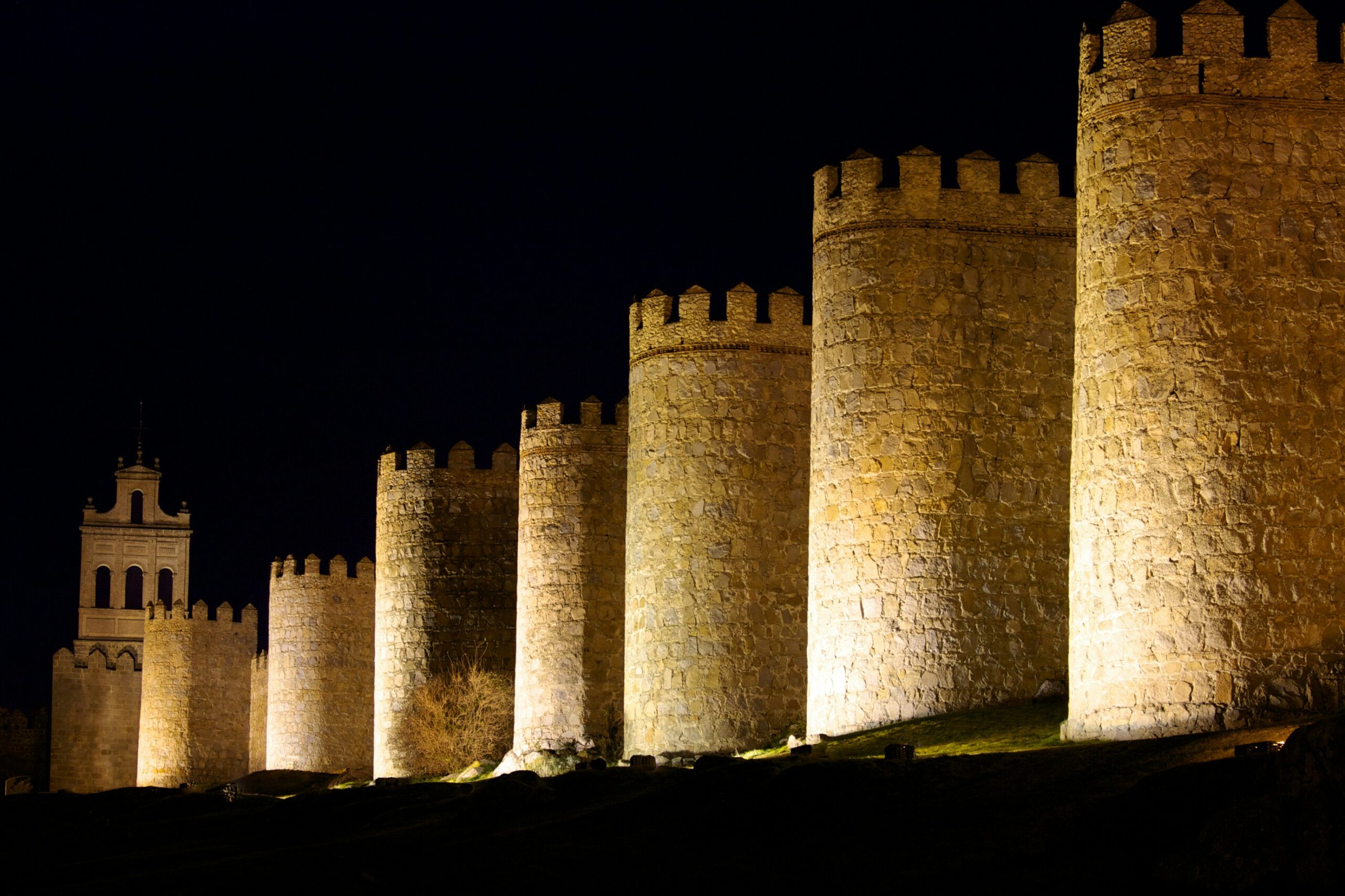 , The American Spectator | USA News and Politics, %%https://spectator.org/wp-content/uploads/2024/12/cropped-favicon-32×32.png, https://spectator.org/feed/, Itxu Díaz
